0800 102 112
Feb 26 in Blog
Tough & Resilient Polyurethane
Polyurethane is a thermoset elastomer engineered for extreme abrasion resistance and durability. Once cured, it cannot be reheated or reshaped, which gives it outstanding structural stability and long-term performance within its working temperature range of -60°C to +85°C.
Engineered hardness & structural stability
Unlike conventional rubber compounds, polyurethane’s hardness is controlled by the molecular structure of the pre-polymer, not by fillers or plasticisers. This provides a broad range of hardnesses from 50 Shore A (soft and flexible) to 75 Shore D (rigid and highly load-bearing).
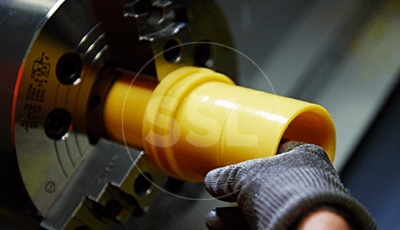
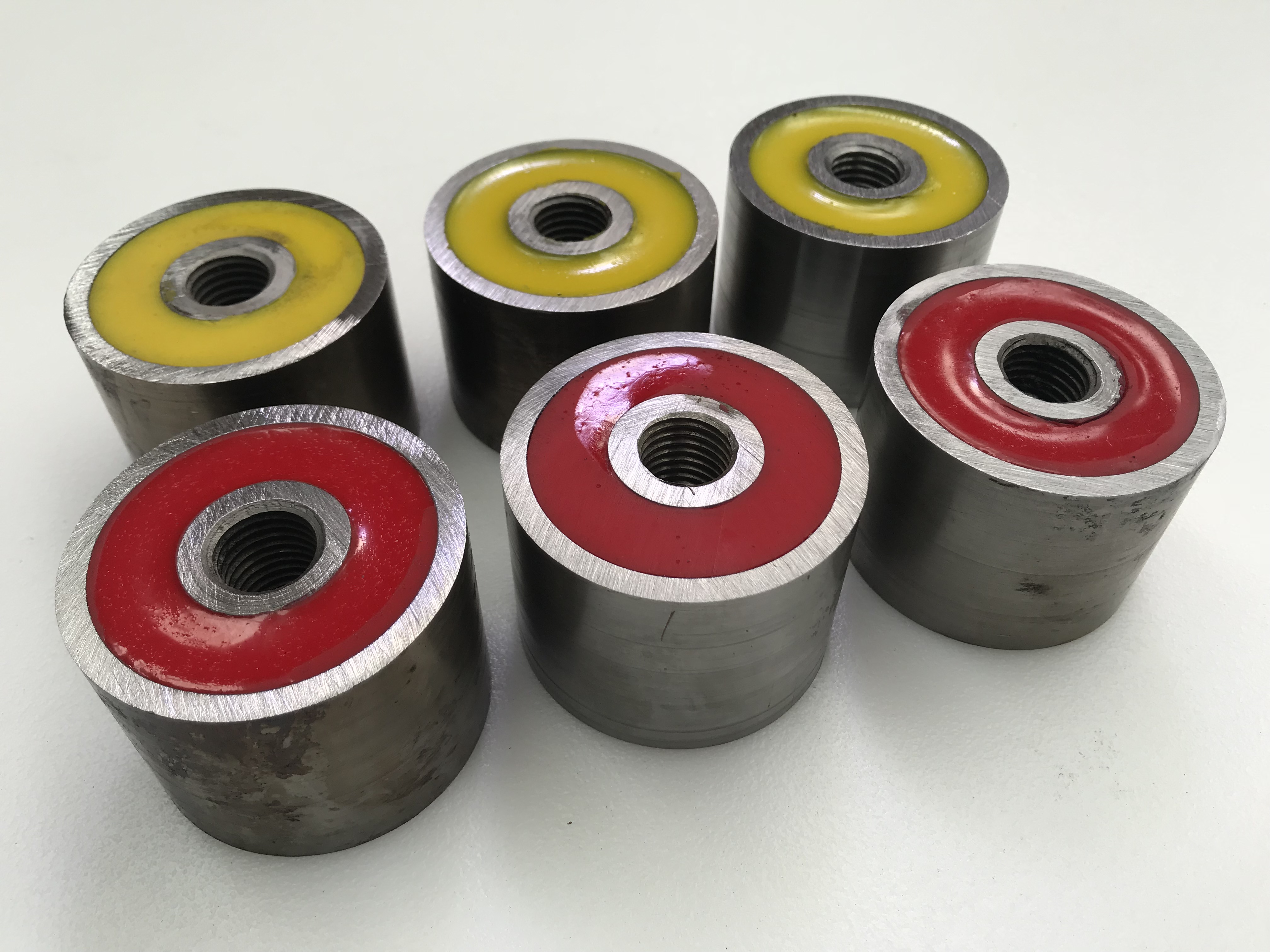
Depending on the selected hardness, polyurethane is ideal for machining, casting, moulding, and prototyping of high-performance components such as bump stops, seals, gaskets, suspension bushings, rollers, wear pads, vibration-dampening mounts, shock absorbers, rooftop caps, bounce and shock pads, plus custom cast machine parts.

Designed for demanding New Zealand industries
New Zealand industries including agriculture, transport, original equipment manufacturing, forestry, and quarrying demand materials that withstand a wide range of conditions. Such as heavy mechanical loads, abrasive environments, UV exposure, moisture, and chemical or oil contact.
Polyurethane performs exceptionally well in these conditions.


Advantages of cast polyurethane
Cast polyurethane is ideal for New Zealand manufacturers requiring custom industrial components without the high setup costs associated with injection moulding or metal fabrication.
Casting polyurethane allows for:
- Low to medium production quantities
- Prototyping
- Complex shapes
- Minimal tooling costs
- Custom hardness and colour options


Stock shapes & cut-to-size options
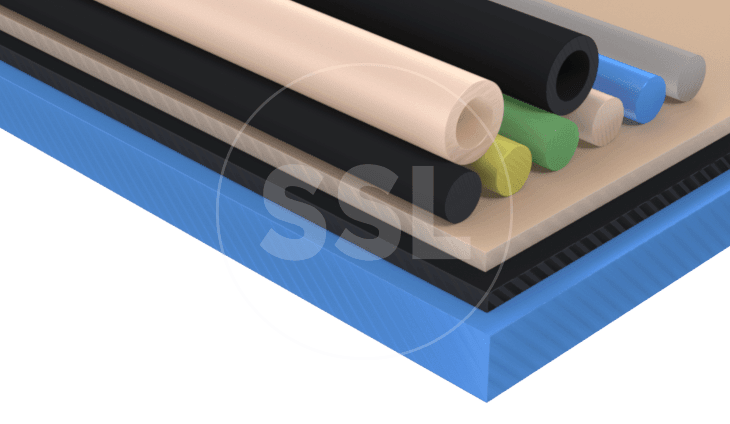
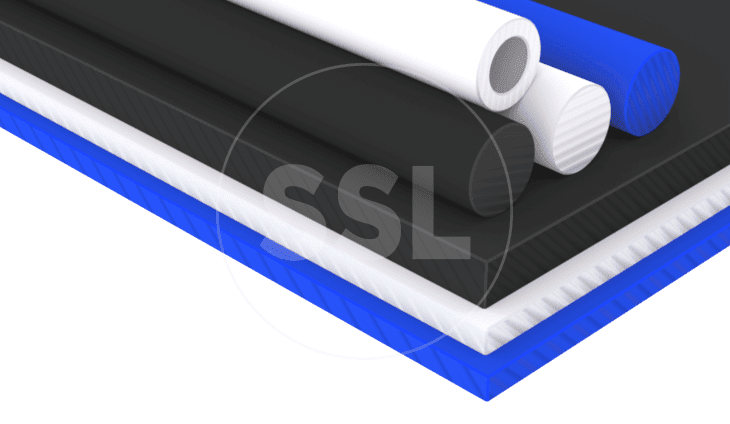
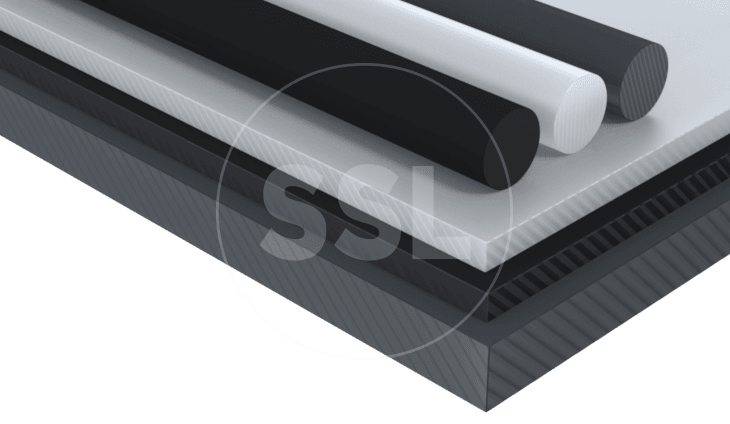
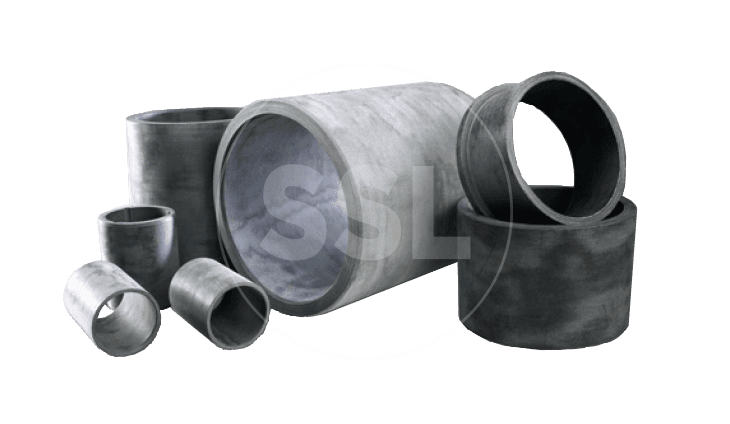
For general use, polyurethane rods, sheets and tubes can be supplied in standard stock lengths or cut to your required size.

Polyurethane vs rubber, plastics & metal
Compared to rubber, polyurethane offers longer service life, reduced downtime, improved load performance, superior wear resistance, and better shock absorption.
Polyurethane combines:
- The toughness of metal
- The elasticity of rubber
- The wear resistance of engineering plastics
It withstands severe industrial use and delivers consistent performance across a wide hardness spectrum.
In many cases, polyurethane replaces:
- Rubber components that wear too quickly
- Engineering plastics that deform under impact load
- Metal parts that transmit excessive vibration


Polyurethane in high-impact applications
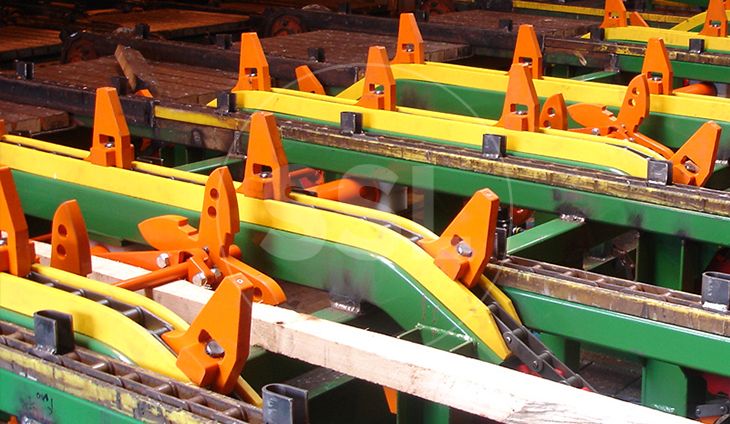
Polyurethane is frequently used in impact and rebound-control environments where durability and shock absorption are critical. Note the use of orange Norzorb anti-rebound polyurethane bonded to a steel mounting plate and covered with a low friction UHMW-PE slip pad (as seen below).

Discover the potential of polyurethane
Polyurethane delivers a combination of abrasion resistance, load capacity, flexibility and vibration control—making it one of the most versatile materials available for industrial applications.
If you’re considering polyurethane for a new or replacement component, our team can help assess hardness requirements, operating environment and performance expectations.
Contact our team of solution specialists today.