0800 102 112
Chains and Sprockets
Supply Services has New Zealand’s largest selection of conveyor chains, roller chains, sprockets and accessories for drives and material handling equipment from our international array of premium manufacturers. Off the shelf or made to order, we have the chains and sprockets to ensure you keep moving.
Chain Wheels and Sprockets NZ
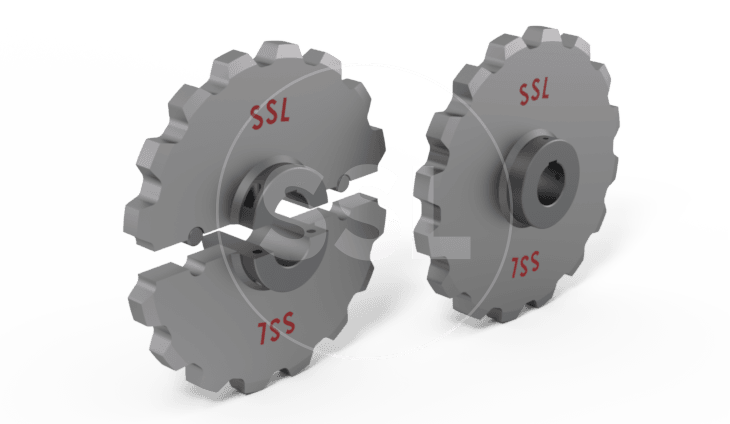
We stock, import, design & manufacture a large range of sprockets and chain wheels to service our entire range of chains from 3/8″ to over 8.0″ in pitch. From precision roller chain sprockets to conveyor, drag, and polymer sprockets, our products are built for performance and durability across a wide range of industries. From precision roller chain sprockets to conveyor, drag, and polymer sprockets, our products are built for performance and durability across a wide range of industries. Whatever your requirements, we either have it on the shelf in NZ ready to go or can manufacture and machine it to your exact requirements.
View More
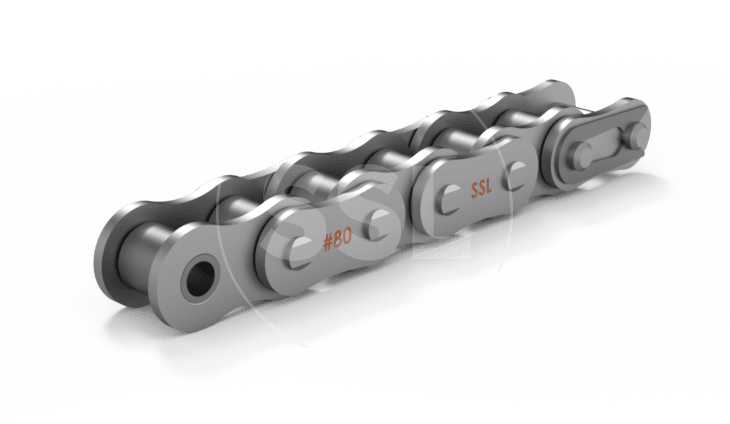
Roller Chains
An extensive line-up of roller chains to suit specific industries and a multitude of applications. From agriculture to sawmills, clean room to salt water environments, we have the industrial chain types to keep your business moving. Simplex, duplex, triplex, plus sprockets and accessories. Explore our roller chains below to learn more.
View More
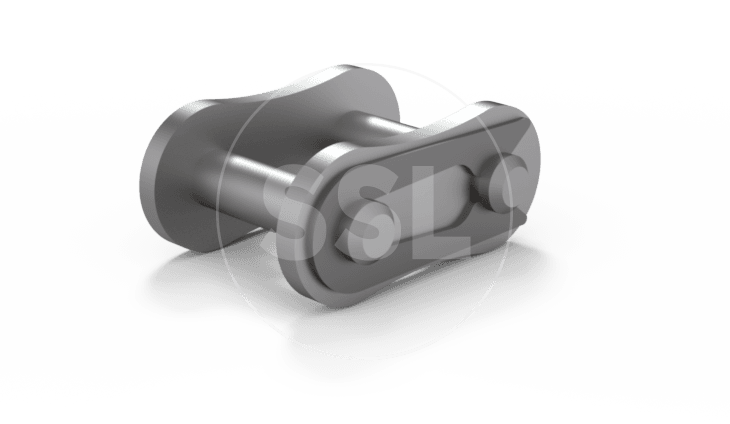
Roller Chain Accessories
A full range of roller chain accessories including chain connecting links, pins, attachment parts, breakers and pullers for ANSI & BS roller chains. Connecting links in spring, cottered or riveting type, roller & pin links, offset (crank) links. Available in carbon steel, SS, nickel or zinc plated or aqua proof variants. Full range of attachments to suit.
View More
Make downtime a thing of the past
Custom Parts Services
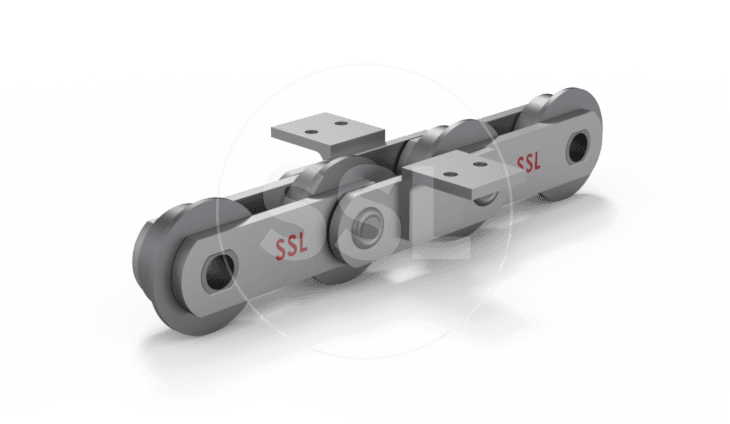
Conveyor Chains
Supply Services Limited stocks the most comprehensive range of standard and industry specific conveyor chains in New Zealand. Complemented by our full range of attachments, sprockets, and accessories, all fully customised to meet your requirements. Learn more about our extensive range of conveyor chains below.
View More
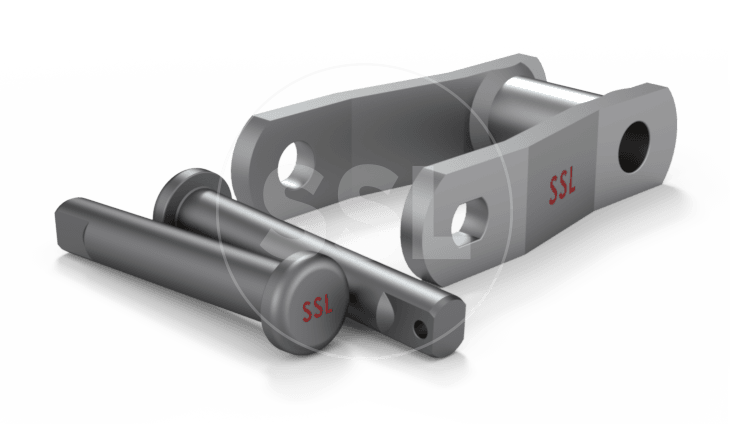
Conveyor Chain Accessories
New Zealand's leading supplier of industry standard conveyor chain accessories such as rivets, pins, loose links & other associated items. Heat treated & induction hardened parts available. Items can be made from stainless steel and engineering plastic materials.
View More
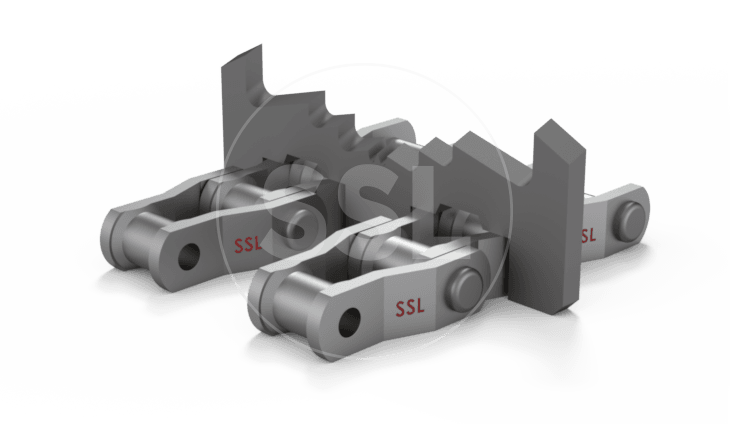
Wood Processing Chains
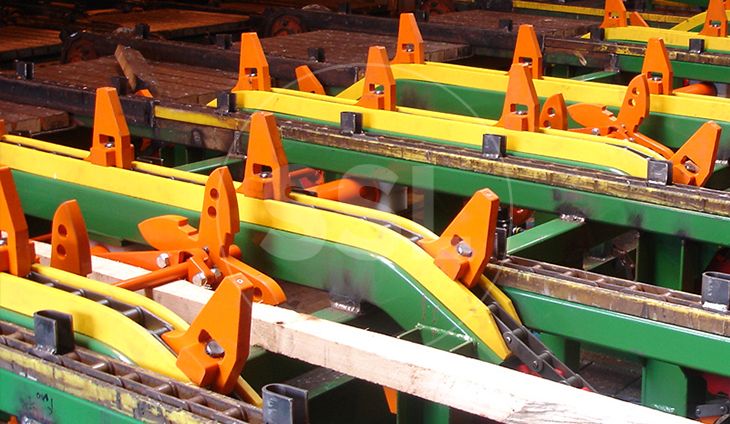
Considered the experts in wood processing chains for sawmills, pulp and paper, OSB and dry board manufacturers, Supply Services Limited stocks a huge range of high-quality wood processing conveyor chains from leading manufacturers. A full range of attachments, sprockets, and accessories are available.
View More
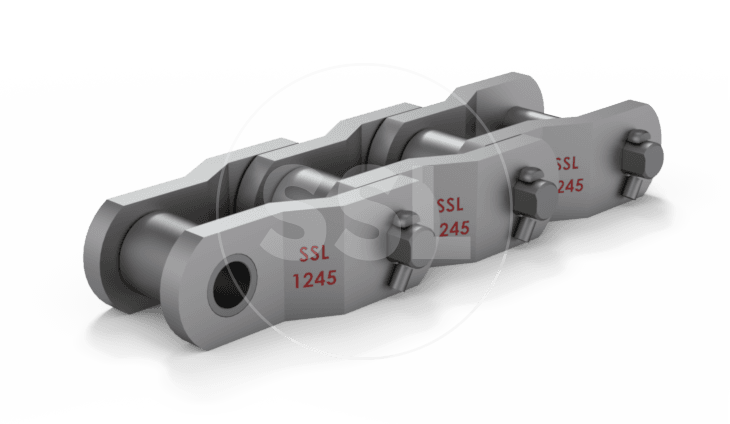
Engineering Class Drive Chains
Manufactured in specially heated treated carbon alloy steels, engineering class cranked link drive chains can withstand breaking loads up to 1,400kN or more. They are widely used in the manufacturing and construction industries.
View More
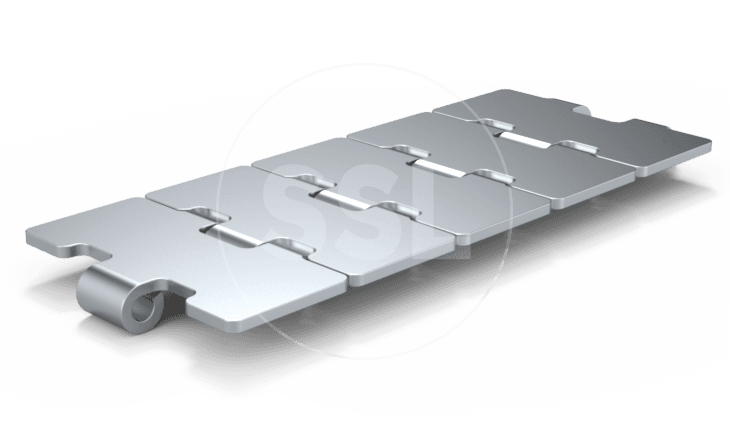
Bottling and Packaging Chains
There is a vast array of Bottling & Packaging chains available in both stainless steel and injection moulded plastics. Also complementing these products are plastic sprockets, idlers, guide rails, wear strips and mounting components. Custom machined components are also possible.
View More
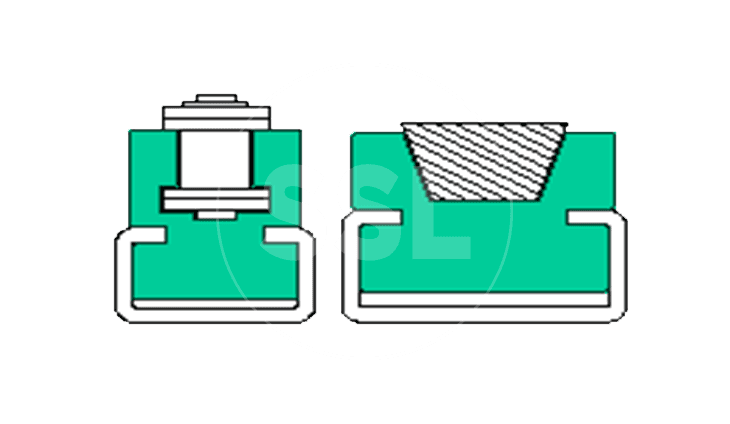
Engineered Plastic Parts
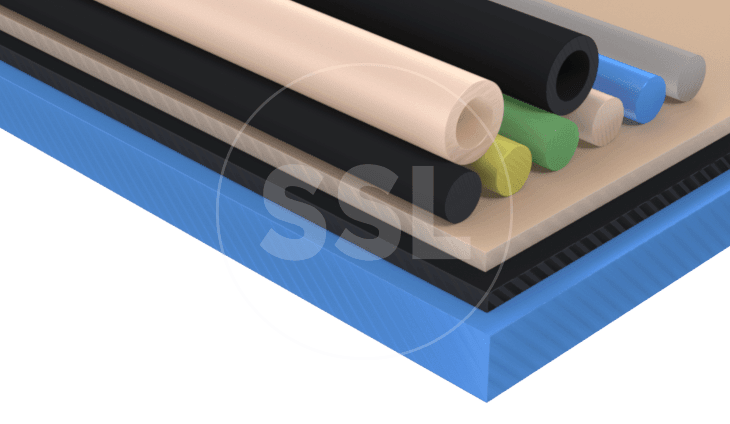
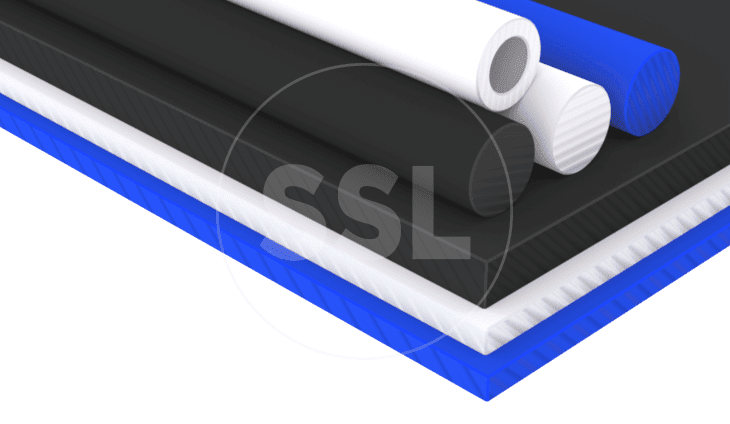
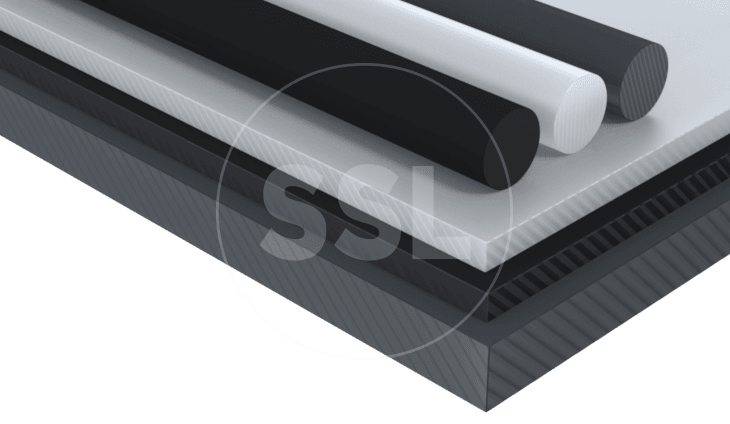
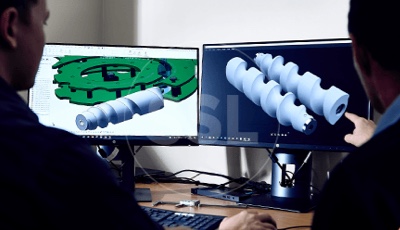
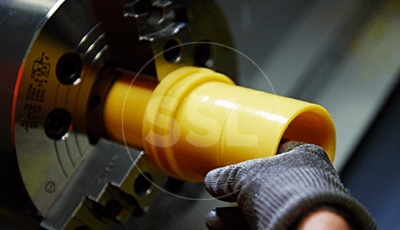
Off-the-shelf profiles, wear strips and guide rails for numerous applications in various shapes and sizes. Backed up by our comprehensive range of engineering plastic materials, material selection service, CAD design and CNC machining means we can manufacture any profile or component you can think of.
View More
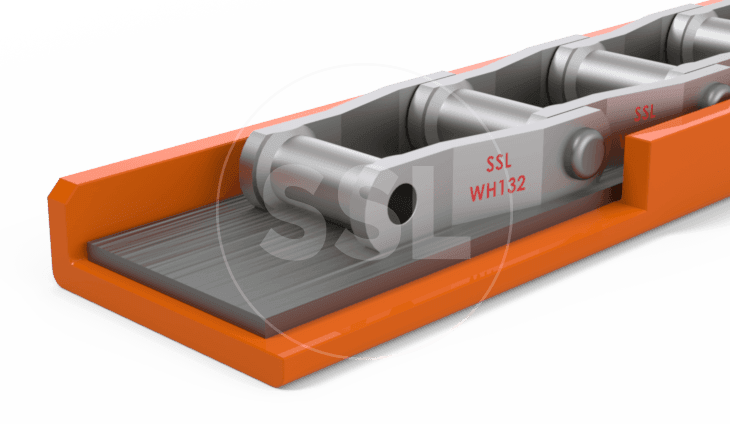
Specialty Wear Plates
A range of specialty wear plate materials designed to reduce maintenance costs and increase service life. Available in Hardox, Armour-X, Mangalloy and engineering plastics such as UHMWPE and Nylon. Contact us to discuss your requirements as there is a wide range of industry-specific applications these materials can be utilised for.
View More
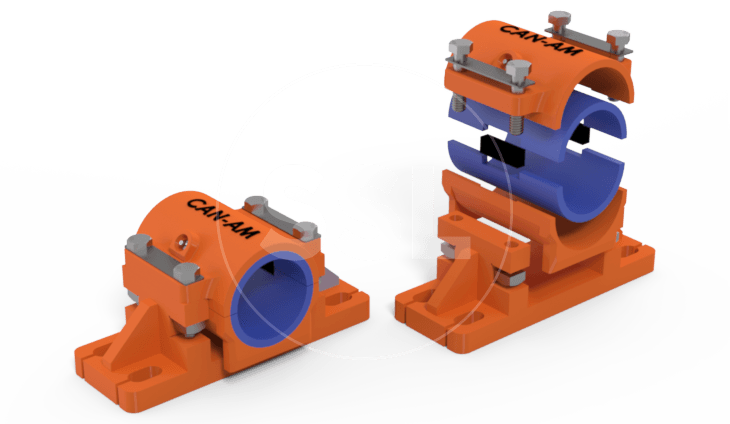
Bearings & Bushes
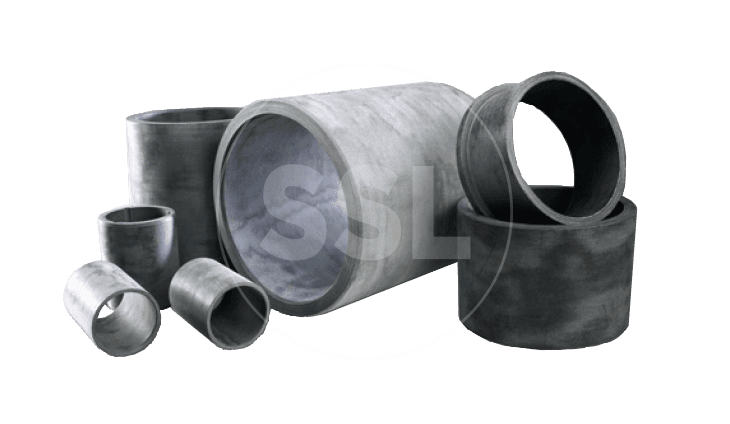
Industry-leading composite bushing materials and harsh environment bearings suitable to a large range of New Zealand industries. Check our Engineering Plastics range for a full selection of materials that can also be used for bushings and bearings.
View More
Chains & Sprockets FAQ
Choosing the right chains and sprockets, and keeping them in top condition, plays a large role in how efficiently your equipment runs. Our team has compiled answers to some of the most common technical questions we receive from engineers, maintenance teams, and plant operators across New Zealand.
Q. What are the signs of worn chains or sprockets?
Excessive noise, vibration, or jumping teeth often indicate elongation in the chain or wear on the sprocket teeth. Visually, look for hooked, thinned, or “shark-fin” shaped teeth and uneven wear patterns across the sprocket face.
Q. How can I measure sprocket wear?
Sprocket wear is typically checked by measuring tooth thickness, pitch diameter, root diameter and spacing against the original specification. In precision applications, a profile gauge or digital scanning tool gives an accurate read on wear and helps decide if the sprocket still needs replacing.
Q. How can I measure chain wear?
Chain wear can be carefully measured using calipers or a tape measure. A measurement between the pin centres over 10-20 links of chain can be compared to new chain. Precision roller chain may need replacing at 2-3% elongation, while material handing chains may extend to 6-8%. Depending on the nature of the process the chain is operating in, it may be necessary to replace it at a certain elongation to avoid downtime or chain failure. Regularly measuring chain elongation can help plan for this.
Q. Should I replace sprockets when installing new chains?
In most cases, yes. Installing a new chain on a worn sprocket will wear the chain out much faster and, in some cases, cause premature chain failure. Replacing both at the same time ensures optimal performance and alignment.
Q. How can I extend the lifespan of chains and sprockets?
Regular lubrication, alignment checks, and correct tensioning are key. Avoiding overloads and ensuring sprocket teeth are free from debris also reduces wear and vibration.
Q. How does load affect chain performance?
Higher loads increase tension, wear, and fatigue across both the chain and sprockets. Selecting the right chain grade, pitch, and sprocket material is critical for maintaining strength and preventing stretching, breakage, or early fatigue.
Q. What’s the difference between metal and plastic sprockets?
Metal sprockets, typically made from steel or hardened alloys, are ideal for high-load, high-temperature environments. Plastic sprockets, made from engineering polymers, offer quieter operation, reduced weight, and excellent corrosion resistance for food processing or packaging applications.
Q. Do you manufacture custom sprockets or chain wheels?
Yes. We design, machine, and fabricate sprockets from a wide range of metals and engineering plastics, including custom tooth profiles and bores, to suit virtually any industrial chain or conveying system.
Industry News
Get a closer look at the technology and expertise behind our chain and sprocket systems. These articles cover everything from selecting the right materials, product highlights, and designing custom configurations.
- Protect your product – Non-marking chains are specifically designed to protect finished timber products, glass or any other material that is easily damaged or broken.
- Roller chain installation – WHALE brand chain pullers and chain breakers make the job easy.
- Custom applications – We redesigned a head and tail chipper infeed sprocket assembly for enhanced performance.
- Superior rust protection – CAN-AM AQUA-Proof SBR roller chain is the perfect choice where corrosion resistance and high strength is needed.
Whatever you’re
engineering, we can help
Our technical solutions specialists are only a phone call away
0800 102 112
Alternatively, you can contact our branches.